Historic and classic car licence plates by country
Older vehicles that are kept in original condition can get their own plates, usually with a letter or symbol that marks them as historic.
6 countries · 6 formats
- CroatiaHistoricSince 2008ZG-PV-123
Since 2008 the town code, PV (povijesno vozilo, historic vehicle) or PP (prijenosne pločice, transferable plates) and three or four digits.
black on white
Make this plate → - CzechiaHistoricCurrent01V 1234
Green characters on white. Historic vehicles. A two-digit region number (01 Praha, 02 Jihomoravský, 03 Jihočeský, 04 Pardubický, 05 Královéhradecký, 06 Vysočina, 07 Karlovarský, 08 Liberecký, 09 Olomoucký, 10 Plzeňský, 11 Středočeský, 12 Moravskoslezský, 13 Ústecký, 14 Zlínský), the letter V for the whole country, and four digits (later series also use a letter, 01V P123). This numbering differs from the region letters, so search does not decode it.
#1b7a3a on white
Make this plate → - GermanyHistoricSince 1997K-AA 100H
H for historisch, for vehicles first registered at least 30 years ago and in largely original condition.
black on white
Make this plate → - MontenegroHistoricSince 2022HN OT 123
Oldtimers that have passed a technical inspection. The municipality code over the letters OT, then three digits, black on brown. Introduced in February 2022.
black on #8a5a2b
Make this plate → - PolandHistoricCurrentWA 123
Classic cars, with a vintage car symbol on the right. Issued to vehicles entered in the register of monuments or the voivodeship record (gov.pl). The regulation (§ 25-26) defines the plate as black on yellow; the minimum age is a vehicle rule outside the plate data.
black on yellow
Make this plate →
 Croatia
 Czechia
 Germany
 Montenegro
 Poland
Older formats
No longer issued, but still seen on the road.
- NorwayHistoric1913–1971E-6813
One letter for the county (fylke), then up to six digits; Oslo also had a six-digit series without a letter from 1958. Vehicles built before 1971 may still carry such a plate, with a letter and number chosen by the owner within the old county letters.
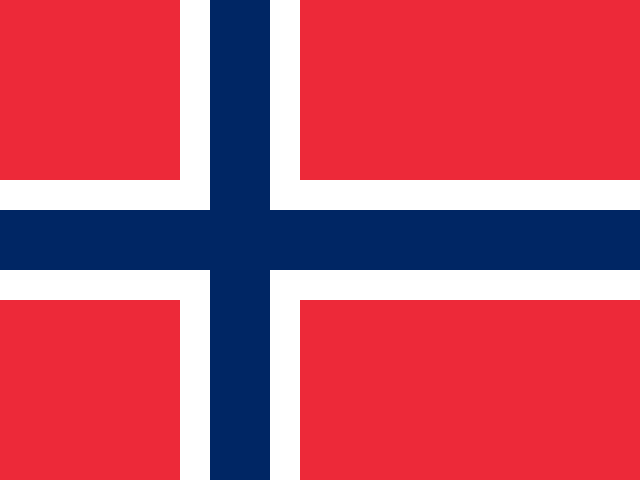 Norway